Speaking and workshops with Ber Roberts, Métis RN

What helps people live well when the usual advice does not fit?

We hear a lot about working out, eating well, meditating, and doing more for ourselves. Those things can help. They are also a small part of a much larger picture.

I’m Ber Roberts, a Métis registered nurse, speaker, and facilitator. Nurses help people meet their needs. I bring that work into everyday life, including the times when we are doing well and want to keep doing well.

What knowledge, relationships, roles, and practices can we draw on? What makes them possible to use? My talks and workshops open those questions with people who want a broader, more usable way to think about wellbeing.

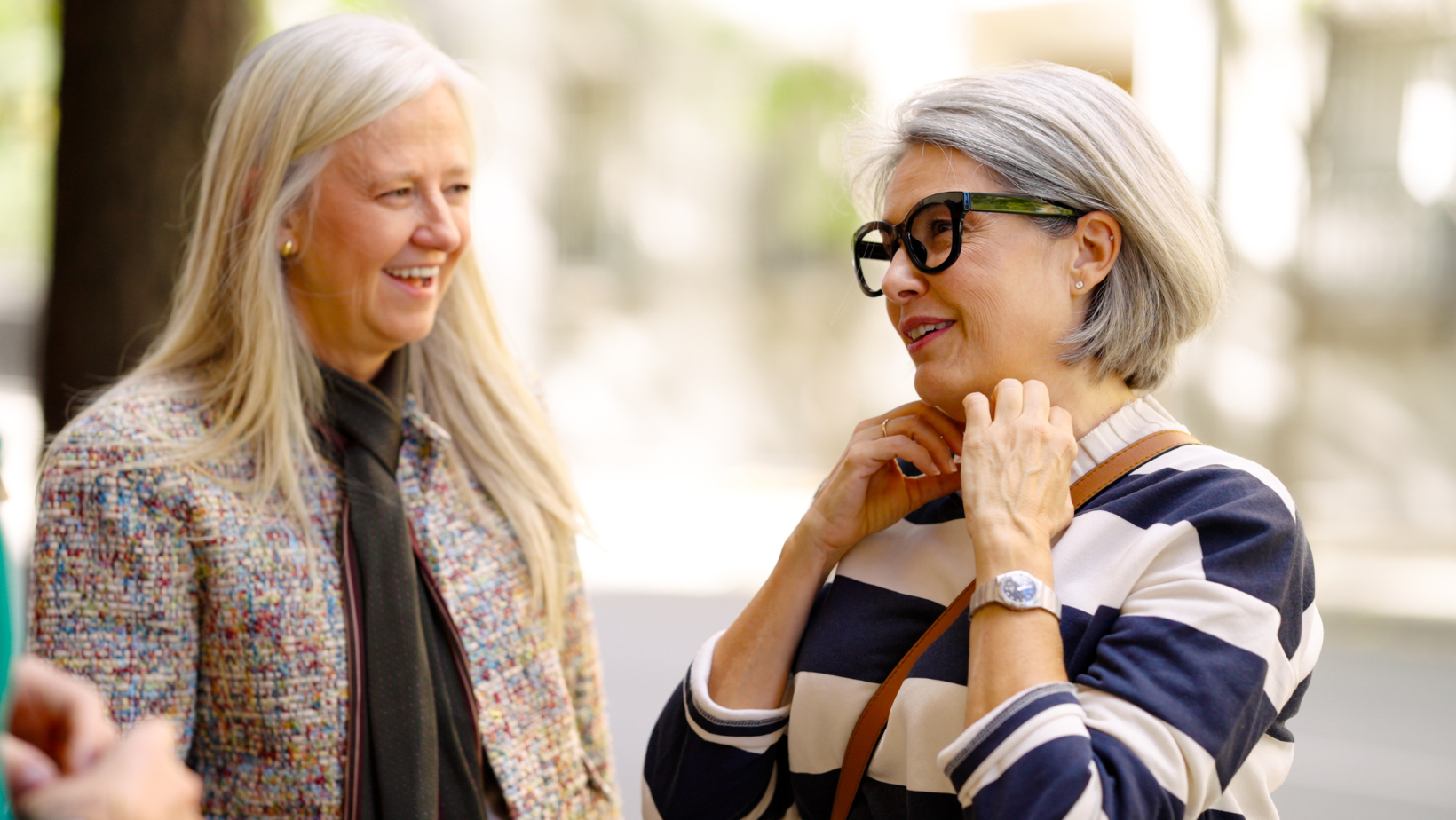
Two people in conversation outdoors
Wellbeing is shaped by the choices and connections of everyday life.

What you can book

Speaking and workshops.

A talk opens a conversation. A workshop gives people room to take part, question familiar ideas, and try out what might fit their lives or work. Both are available in person or online.

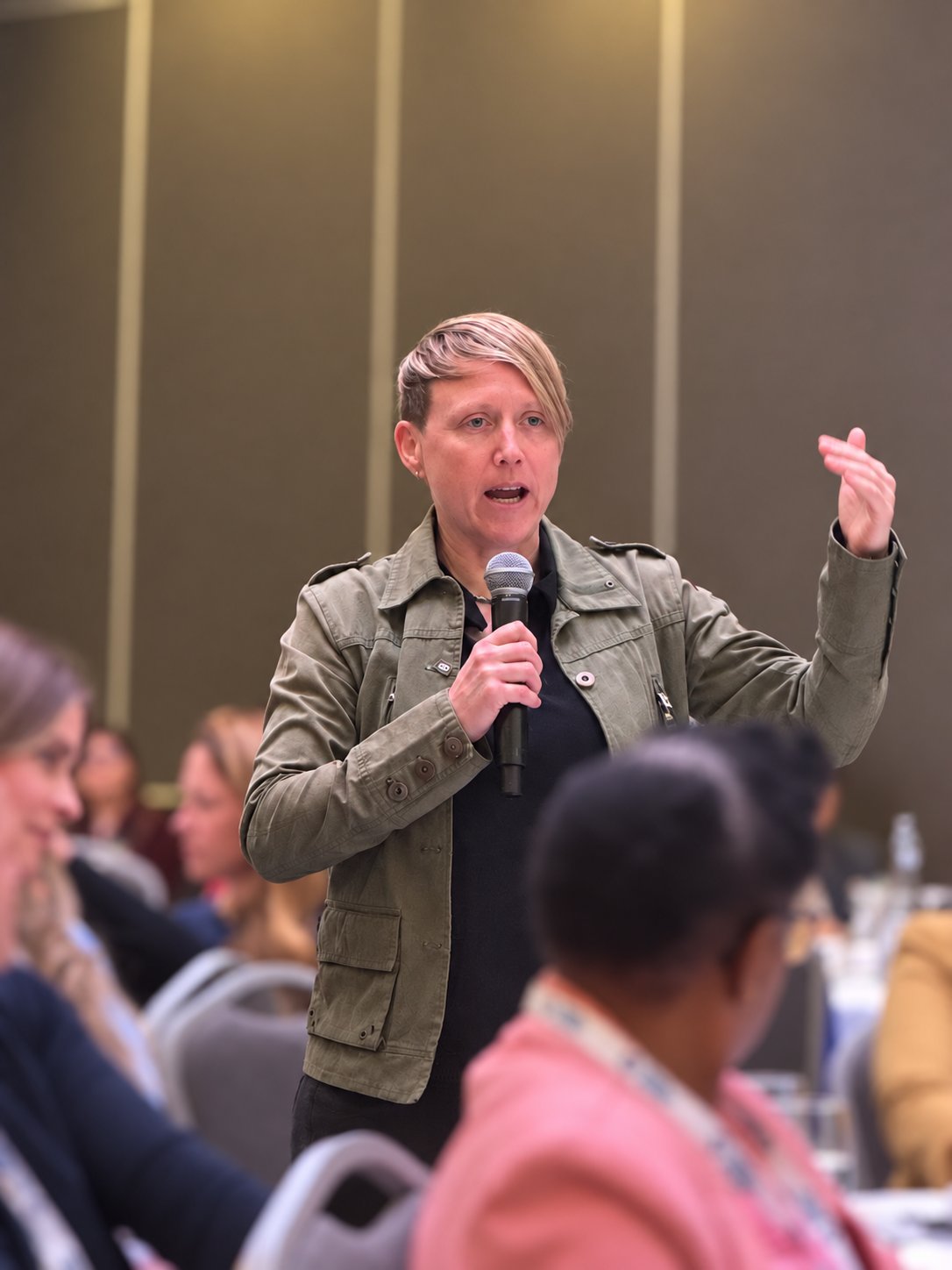
Ber Roberts speaking to an audience at an in-person event
01 / Public speaking

Questions worth bringing into the room

For conferences, workplaces, and community events. I draw on nursing, Métis perspectives, and lived experience to open conversations about health, change, roles, and purpose.

  • What My Kookum Taught Me About Living Well — what changes when a life cannot be measured by the usual wellness checklist?
  • Two-Eyed Seeing in Health and Wellbeing — whose knowledge do we recognize when we talk about health?
  • Beyond Burnout and Vicarious Trauma — what does sustainable practice require beyond telling professionals to cope better?

See the speaking topics →
02 / Workshops

Make the questions usable

Each workshop starts with a different group and a real tension they face. People have room to reflect, practise, and consider what support and choices are possible in their own setting.

  • When Self-Care Is Not Enough — for nurses, health professionals, and others in caring work.
  • Facing the Storm Together — for Indigenous, queer, and other communities navigating adversity.
  • What Counts as Living Well? — for curious people and those creating opportunities for others.
Find the workshop that fits →

Why a nurse works in wellbeing

Care belongs in everyday life.

A nurse’s role is to help people meet their needs. We often think of that work in a hospital, when someone is sick or injured. I also bring it into everyday life: helping people recognize what they already know, notice where they need support, and build skills and relationships they can draw on.

That includes asking whether a resource is actually usable. A good strategy on paper may not fit a person’s energy, responsibilities, disability, community, or current situation. We start with the life they have and what might make the next step possible.

We don’t have to wait until something is wrong to learn how to care for ourselves and one another.

My approach

Start where people are.

Whole person

Look beyond the usual measures

Wellbeing includes mental, emotional, physical, and spiritual life. Relationships, roles, purpose, and the ability to make choices matter too. Eating well and being active may be part of the picture, but they are not the whole picture.

Two-Eyed Seeing

Bring ways of knowing together

My nursing practice draws on science, physiology, and health education. My Métis identity, lived experience, and Indigenous ways of knowing also shape how I listen and teach. Through a Two-Eyed Seeing lens, I ask what we can learn when we take more than one way of knowing seriously.

Everyday action

Make room for compassion and action

Sometimes we are at our limit. We need gentleness and room to recover, not another list of things we “should” be doing. Compassion can also help us look honestly at what needs attention and choose a next step we can manage.

The aim is a wider, strength-based view of wellbeing: more room for autonomy, support, and purpose, without another burden of “shoulds.”

Person sitting outdoors at sunset and looking across the landscape

Living a good life

Miyo Pimatisiwin

Miyo Pimatisiwin means living a good life. To me, it is an ongoing practice, not a standard anyone has to meet perfectly.

Person walking through an open meadow

It invites us to ask:

  • What gives us purpose, even when our roles or abilities change?
  • Which relationships, places, and shared practices help us through difficult times?
  • What knowledge and resources do people, families, and communities already carry?
  • In an imperfect world, what can we not change—and where do we still have choices?
  • Like the bison facing a storm, how can we meet hard things with support rather than face them alone?

The storm will still come. Miyo Pimatisiwin asks how we can live with purpose and make choices within a world we cannot make perfect. That work is shared: it depends on relationships, community, and the resources available around us. These questions guide my speaking and workshops and take wellbeing beyond a narrow idea of self-care.

Ber Roberts

Meet Ber

Ber Roberts

RN, BN, CTE, IFOT
Métis RN | Speaker, Facilitator & Program Developer

I bring nursing experience, Métis perspectives, and practical health education to help people connect with what Miyo Pimatisiwin—living a good life—means for them and their communities.

Bring this conversation to your group

Let’s find a starting point.

Tell me who will be there, what is happening in your group, and what you hope people will take away. We can shape a talk or workshop around that conversation.

This is an enquiry. We’ll talk through the details before anything is booked.

Email list

Notes on living well.

Occasional updates on new writing, workshops and events from Ber.

Join the list to hear about new writing, workshops and events. You can unsubscribe anytime.

Join the email list